Get Kitchen Demolition
Kitchen demolition services help property owners safely remove cabinets, appliances, and fixtures for remodeling or renovation projects, handled by experienced local contractors.
If you’re considering a kitchen renovation or remodeling project, understanding the process of demolition is an important first step. Kitchen demolition services involve safely and efficiently removing existing structures, appliances, and fixtures to prepare the space for updates. Property owners in the area often explore this work to create a more functional layout, update outdated designs, or make way for new installations. Ensuring the demolition is handled properly helps set the stage for a successful renovation, making it worthwhile to explore local options and compare service providers.
Choosing the right local contractors for kitchen demolition can make a significant difference in the overall success of a property improvement project. Many property owners seek experienced professionals who understand the specifics of kitchen removal work and can coordinate seamlessly with other renovation trades. By reviewing local service providers, property owners can find the right match for their planning needs and ensure the work is completed to their expectations. Keep reading to learn more about how local pros can assist with your kitchen demolition project.
- Kitchen Demolition - when planning a kitchen remodel that requires removing existing cabinets and fixtures.
- Partial Kitchen Demolition - for updates or renovations that involve only specific areas of the kitchen.
- Full Kitchen Tear-Out - when completely removing all kitchen elements to make way for a new layout.
- Custom Demolition Services - for unique or complex kitchen removal projects that need specialized techniques.
- Kitchen Removal and Disposal - when clearing out outdated or damaged kitchen components before installation of new features.
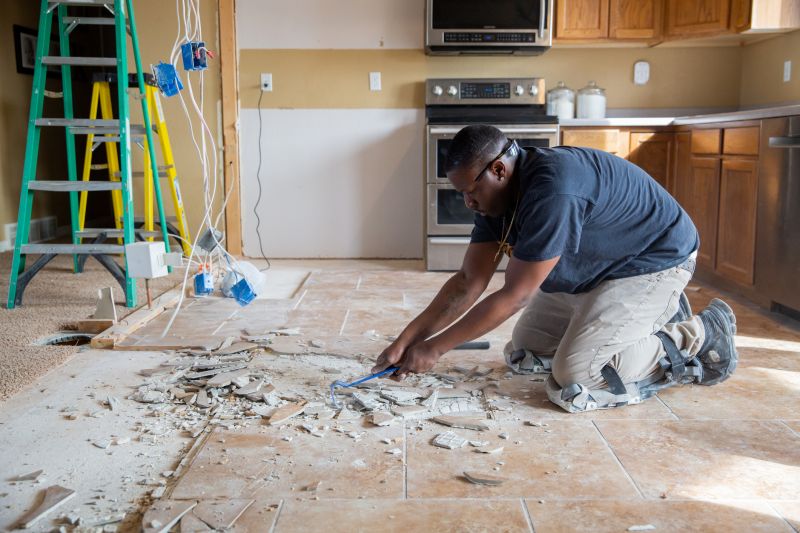
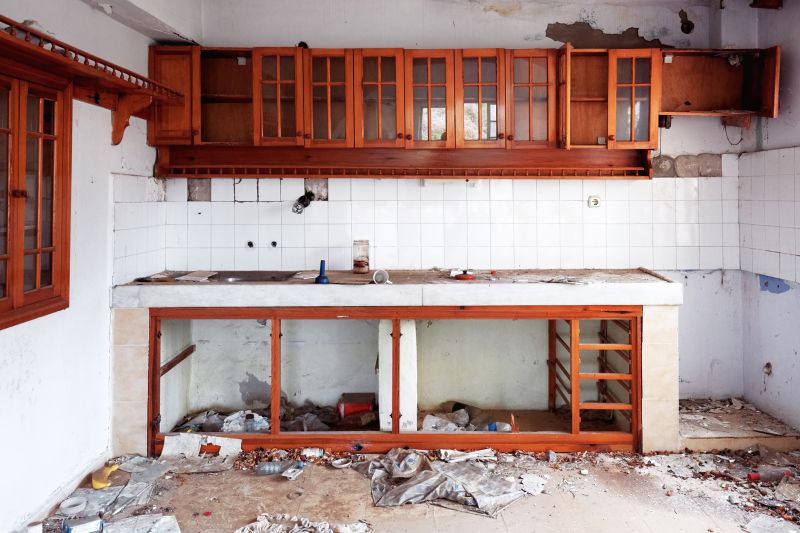
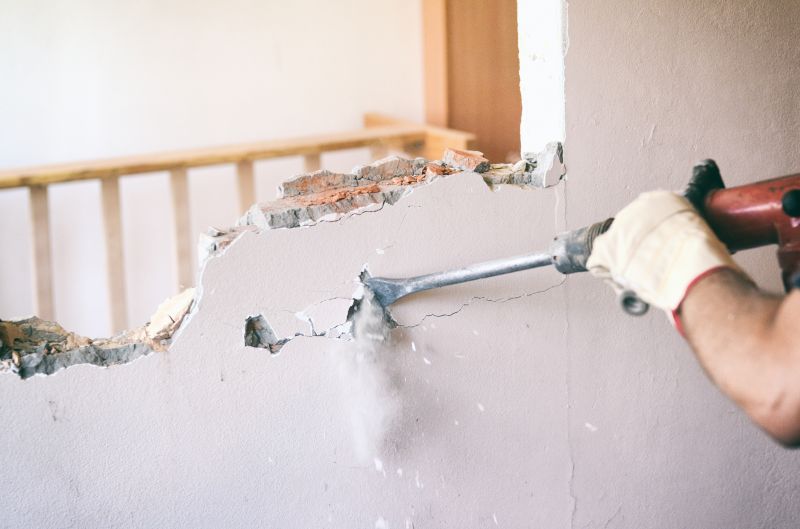
Kitchen demolition services involve the careful removal of existing kitchen structures, appliances, cabinets, countertops, and flooring to prepare for renovation or remodeling projects. This process requires skilled labor to dismantle and dispose of old materials safely and efficiently, ensuring that the space is cleared without damaging surrounding areas. Professional contractors use specialized tools and techniques to handle the demolition, minimizing dust, debris, and disruption to the rest of the property. This service is essential for homeowners who want to update or completely overhaul their kitchens, making way for new designs and layouts.
Many common problems lead homeowners to seek kitchen demolition services. Outdated layouts that no longer meet lifestyle needs, damaged cabinets or flooring, or the presence of mold and pest issues can all necessitate a full or partial teardown. Sometimes, structural problems or water damage beneath surfaces require removing existing materials to assess and repair underlying issues. Kitchen demolition also helps when installing new appliances or fixtures that require modifications to existing walls or cabinetry. By removing old and damaged elements, homeowners can create a clean slate for a more functional, modern kitchen.
This service is often used in a variety of property types, including single-family homes, apartments, and multi-unit buildings. Older homes with original kitchens may need extensive demolition to accommodate modern standards and preferences. Newer properties undergoing upgrades or renovations also frequently require demolition services to update outdated layouts or replace worn materials. Commercial properties, such as restaurants or office kitchens, may also use demolition services when remodeling or expanding their facilities. Overall, any property owner planning a kitchen upgrade or facing structural issues can benefit from professional demolition services.
Homeowners typically turn to local contractors for kitchen demolition when preparing for renovation projects or addressing specific problems with their existing kitchens. These professionals handle the job safely and efficiently, ensuring that the space is ready for the next phase of remodeling. Contacting experienced service providers can help ensure that demolition work is done properly, reducing the risk of hidden issues or damage to other parts of the property. For those considering a kitchen upgrade or facing renovation challenges, connecting with local pros can make the process smoother and more manageable.
The overview below groups typical Kitchen Demolition projects into broad ranges so you can see how smaller, mid-sized, and larger jobs often compare in your area.
In many markets, a large share of routine jobs stays in the lower and middle ranges, while only a smaller percentage of projects moves into the highest bands when the work is more complex or site conditions are harder than average.
Smaller Repairs - Typical costs for minor kitchen demolition work, such as removing cabinets or countertops, generally range from $250-$600. Many routine jobs fall within this middle range, though prices can vary based on the scope of work and local rates.
Partial Demolition - For larger projects involving wall removal or partial cabinet removal, local contractors often charge between $1,000 and $3,000. Projects in this range are common, with fewer jobs reaching into higher cost brackets.
Full Kitchen Demolition - Complete teardown of a kitchen, including removing all fixtures and structures, typically costs between $3,500 and $8,000. Larger or more complex demolitions can exceed this range, but most projects fall within this bracket.
Complex or Custom Projects - Extensive demolitions involving structural work or custom features can reach $10,000 or more. These higher-end projects are less common and usually involve additional permitting or specialized labor.
Actual totals will depend on details like access to the work area, the scope of the project, and the materials selected, so use these as general starting points rather than exact figures.
Bathroom Demolition - involves removing existing fixtures and structures, requiring similar planning, tools, and safety procedures as kitchen demolition projects.
Interior Wall Removal - requires careful planning and structural considerations, utilizing similar demolition techniques used in kitchen space renovations.
Basement Demolition - involves tearing down interior structures, which shares skills in heavy-duty removal and site cleanup with kitchen demolition services.
Floor Removal and Replacement - includes removing existing flooring materials, often alongside demolition work, requiring similar tools and planning skills.
Garage Renovation Demolition - involves clearing out large structural elements, sharing the same expertise in heavy equipment use and site preparation as kitchen demolition.
Commercial Space Renovation - encompasses demolition of interior partitions and fixtures, requiring similar planning, safety, and removal techniques as residential kitchen projects.
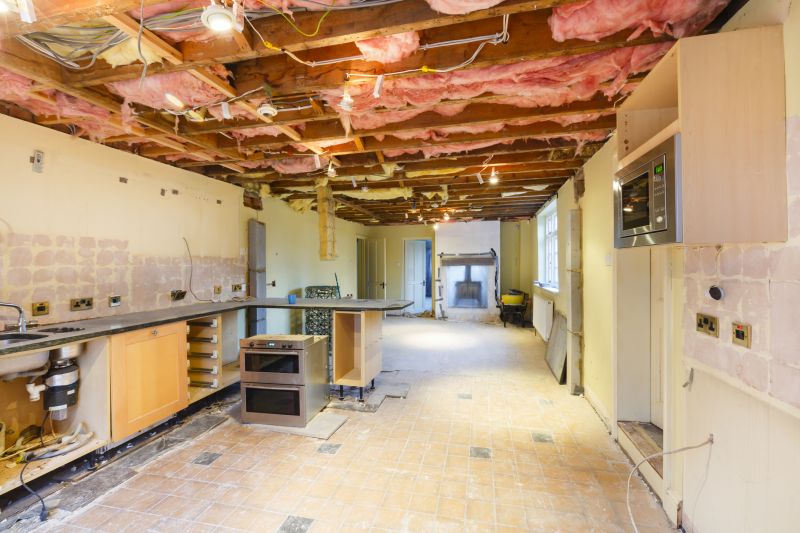
When selecting a contractor for kitchen demolition, it’s important to consider their experience with similar projects. Homeowners should look for service providers who have a proven track record of handling demolition work comparable to the scope of their kitchen renovation. This experience can indicate familiarity with the specific challenges that may arise and suggest that the contractor has developed effective techniques to complete the job efficiently and safely. Asking for examples of past projects or references related to kitchen demolition can provide insight into their expertise and reliability.
Clear, written expectations are essential for a smooth renovation process. Homeowners should seek out local contractors who provide detailed project descriptions, scope of work, and terms in writing. This documentation helps ensure that both parties share a mutual understanding of what the demolition entails, including the extent of work, cleanup responsibilities, and any necessary preparations. Having these expectations documented can prevent misunderstandings and serve as a reference throughout the project, promoting transparency and accountability.
Reputable references and good communication are key factors when comparing local service providers. Homeowners are encouraged to inquire about references from previous clients who can speak to the contractor’s professionalism, work quality, and ability to meet deadlines. Additionally, effective communication-such as prompt responses to questions and clear explanations of processes-can greatly influence the overall experience. While the site introduces homeowners to local pros capable of handling the work, it’s important to verify these qualities directly through references and initial conversations to find a dependable partner for the demolition project.
Property owners use Kitchen Demolition services for practical projects around their homes and businesses. This guide focuses on everyday jobs and straightforward project options.
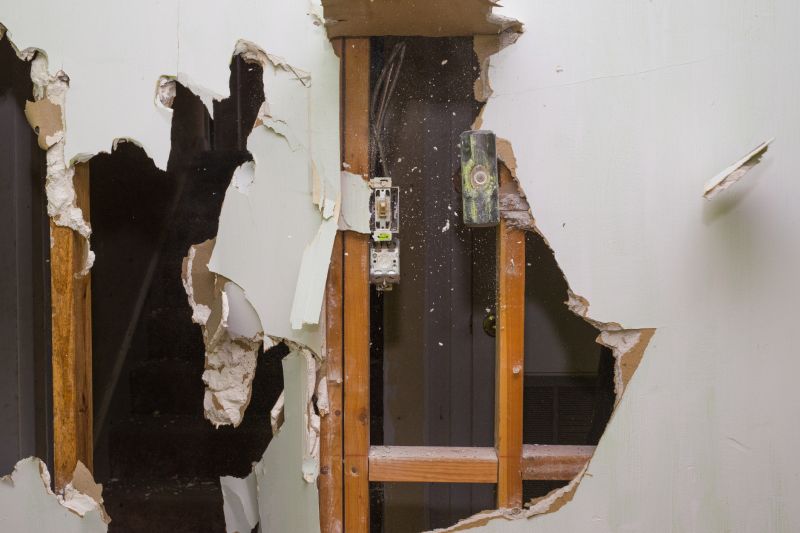
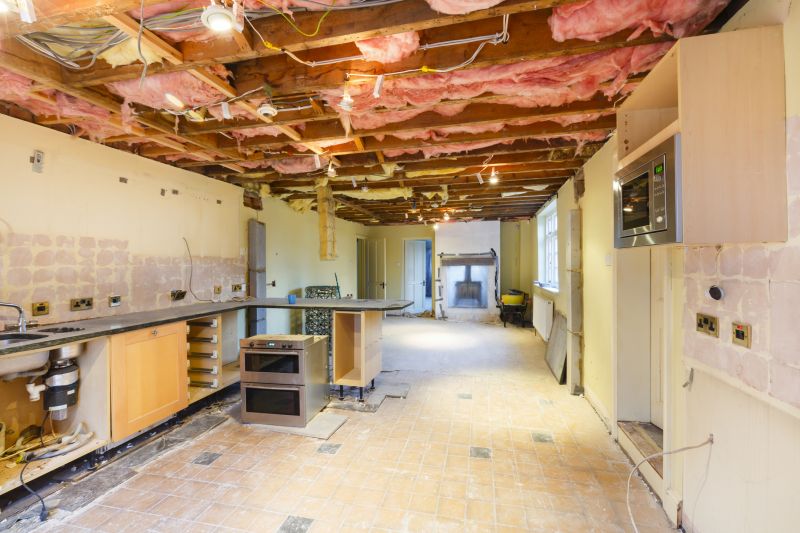
Kitchen demolition services are often needed when property owners decide to update or remodel their kitchens. Common situations include removing outdated cabinets, countertops, or appliances to create a fresh, modern space. Homeowners may also seek demolition help during larger renovation projects, such as expanding the kitchen area or reconfiguring the layout to improve functionality. Local contractors can assist with these projects by safely and efficiently tearing down existing structures, making way for new installations and design improvements.
In addition, property owners might look for kitchen demolition services after discovering issues like water damage, mold, or structural concerns that require removal of damaged materials. Whether preparing a kitchen for a complete overhaul or addressing specific problem areas, local service providers can handle the demolition work needed to prepare the space for the next phase of renovation. Connecting with experienced local contractors ensures the work is done properly, helping property owners achieve their remodeling goals smoothly.
What does kitchen demolition involve? Kitchen demolition typically includes removing cabinets, countertops, appliances, and other fixtures to prepare for renovation or remodeling projects.
Are there different types of kitchen demolition services? Yes, services can range from partial demolition, which involves removing specific elements, to full demolition that clears the entire kitchen space.
How do local contractors handle debris removal after demolition? Many local service providers include debris cleanup and removal as part of their demolition services to ensure the workspace is cleared efficiently.
What should be considered before starting kitchen demolition? It's important to plan for utility disconnections, protect surrounding areas, and coordinate with other renovation trades before beginning demolition.
How can I find qualified local pros for kitchen demolition? A lead generation platform can connect homeowners with experienced local contractors who specialize in kitchen demolition services.
Kitchen Renovation Projects - When updating an outdated kitchen, local contractors can handle the demolition of existing cabinets, countertops, and fixtures to prepare for new installations.
Open-Concept Living Spaces - Removing walls or partitions to create a more spacious kitchen area can be facilitated by experienced demolition professionals.
Kitchen Expansion or Reconfiguration - Reconfiguring the layout of a kitchen by removing internal structures allows for better flow and functionality, with local service providers managing the demolition process.
Damage or Water Restoration - In cases of water damage or mold, professional demolition services can safely remove affected areas to prepare for repairs and rebuilding.
If you are thinking about Kitchen Demolition for a property, this guide is meant to help you understand the work, the typical project types, and how different options might fit your plans.
When you are ready, you can use the quote form on this page to share a few details about your project. From there, local pros can review the basics and respond with options that match what you have in mind.